

Master the art of proxy infrastructure
Research, roundups, and architecture — not buyer pages. Use cases and product SKUs are where you pick a pool and sign up.
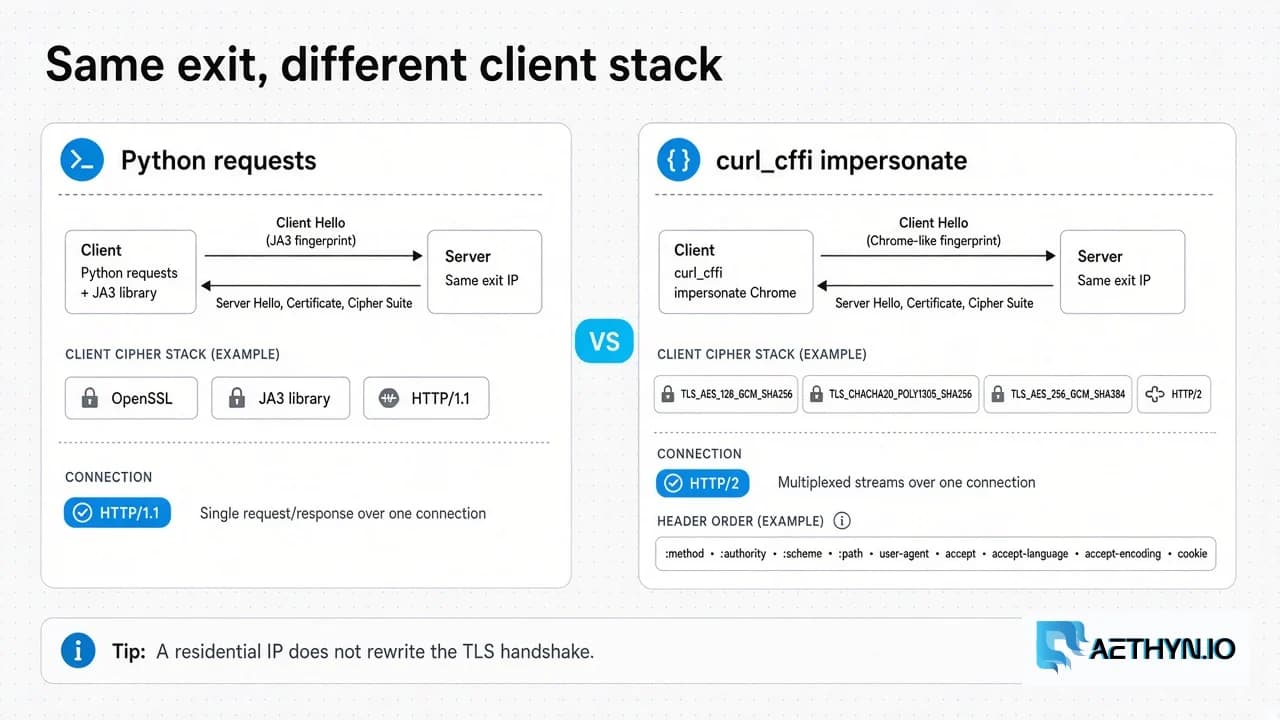
curl_cffi vs Requests vs Playwright for Web Scraping (2026)
Use the least expensive client that reliably produces the required document. A three-client test — requests, curl_cffi, Playwright — on one residential exit. Record status and body class, not a pass-rate table.
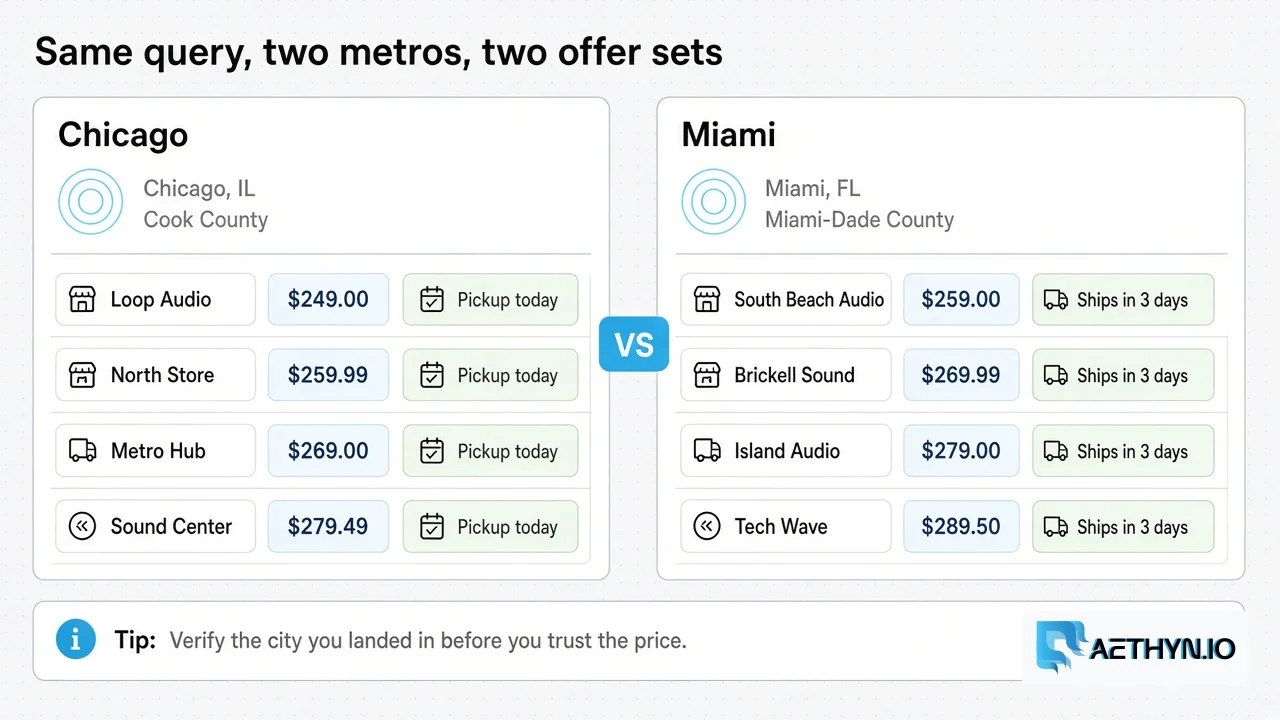
Why Google Shopping Prices Differ by City (2026)
The same Google Shopping query can return different merchants, prices, delivery estimates, and pickup options by city. This page is a reproducible basket and schema for measuring that split — not a second city-SERP protocol, and not invented overlap percentages.
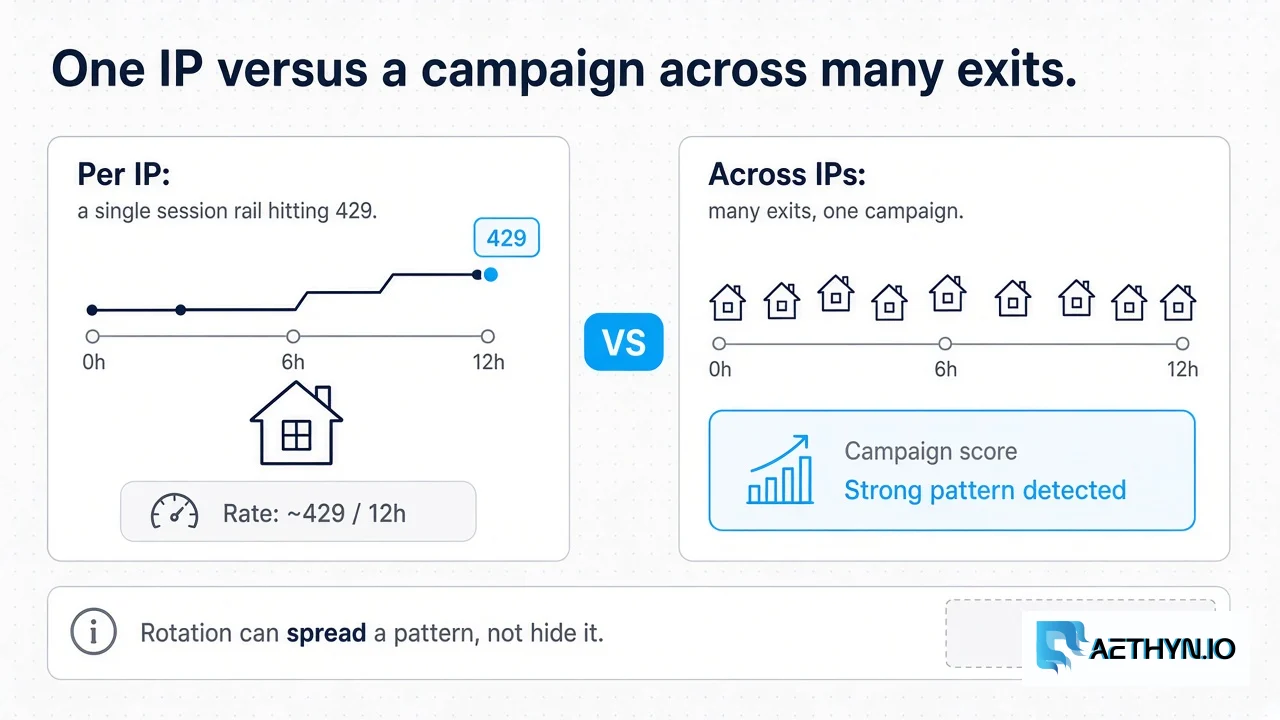
What Cloudflare Adaptive Intelligence Means for Scrapers (2026)
Cloudflare Adaptive Intelligence scores campaigns across IPs, not one IP’s rate limit. Rotation without a coherent browser is cheaper for Cloudflare to catch — classify the wall before you retry.
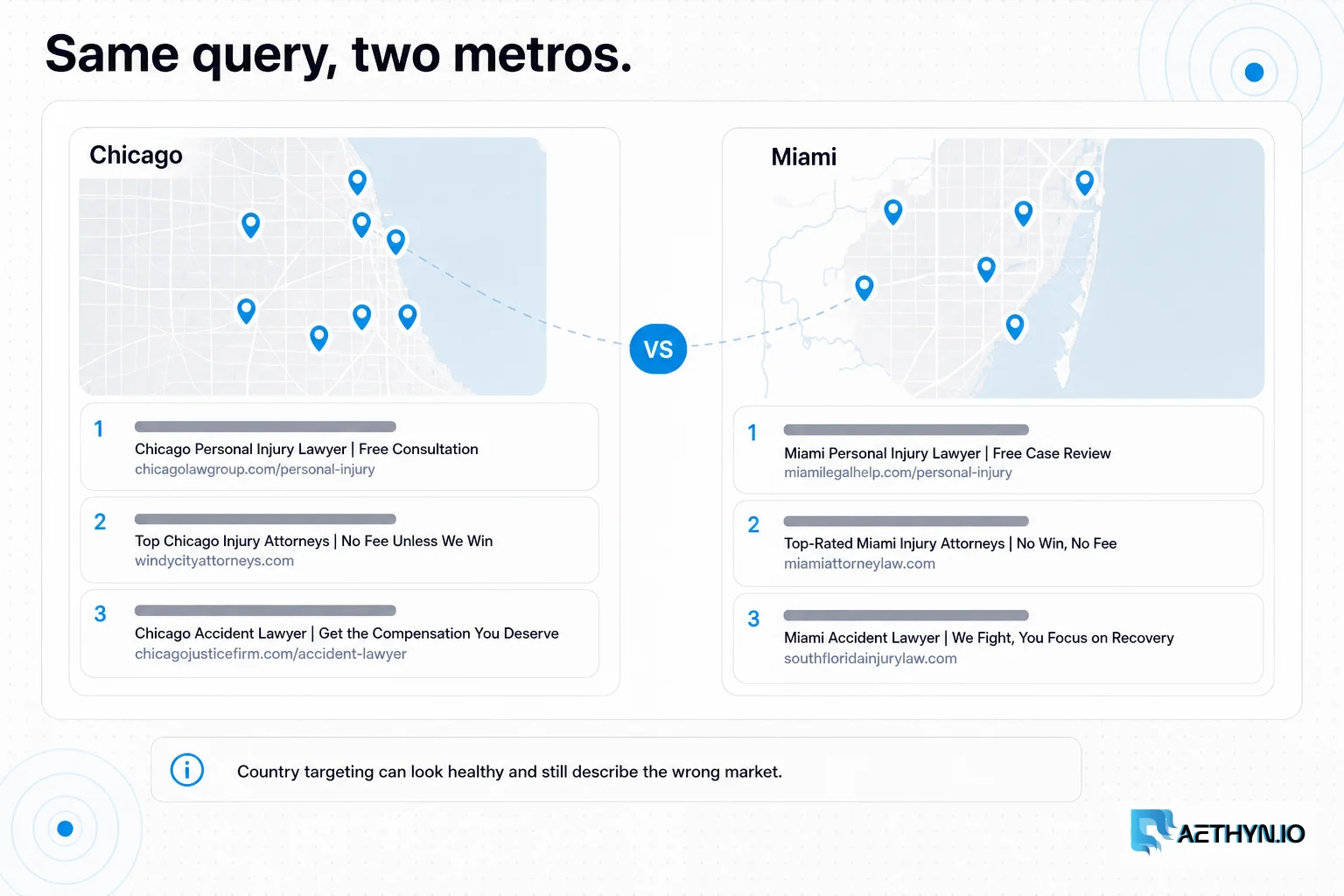
City SERP Divergence: A Re-Runnable Protocol (2026)
City SERP divergence is the measurable difference in local results for the same query when the exit metro changes. This page publishes the protocol, a 16-query basket, and the column schema — not invented overlap percentages.
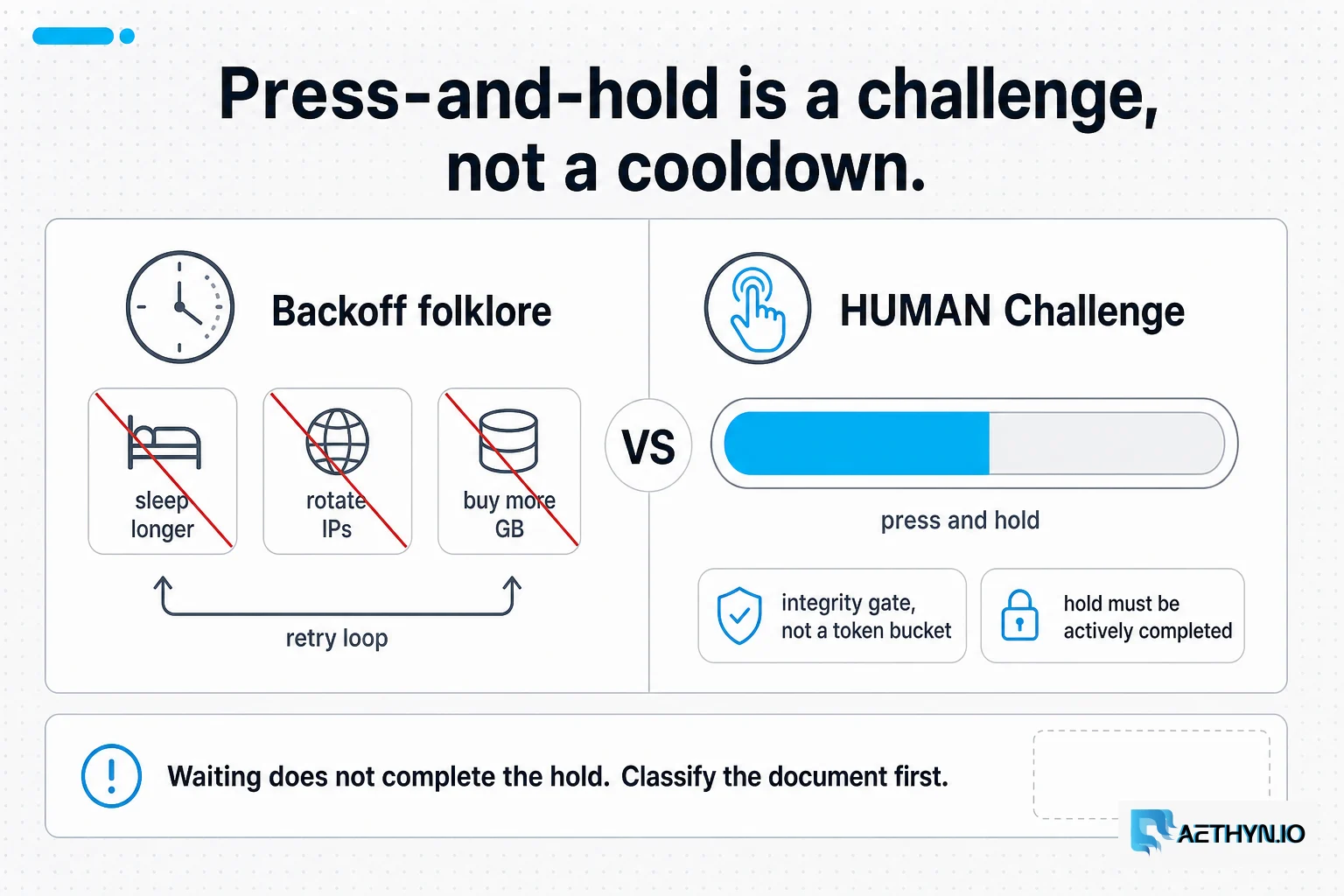
PerimeterX / HUMAN Press-and-Hold Is Not a Rate Limit
HUMAN Bot Defender defaults to MONITOR with blockingScore 100. Identify via _px3, _pxhd, and meta name=description content=px-captcha — then stop treating press-and-hold as backoff. Residential helps only when the failure is IP-shaped.
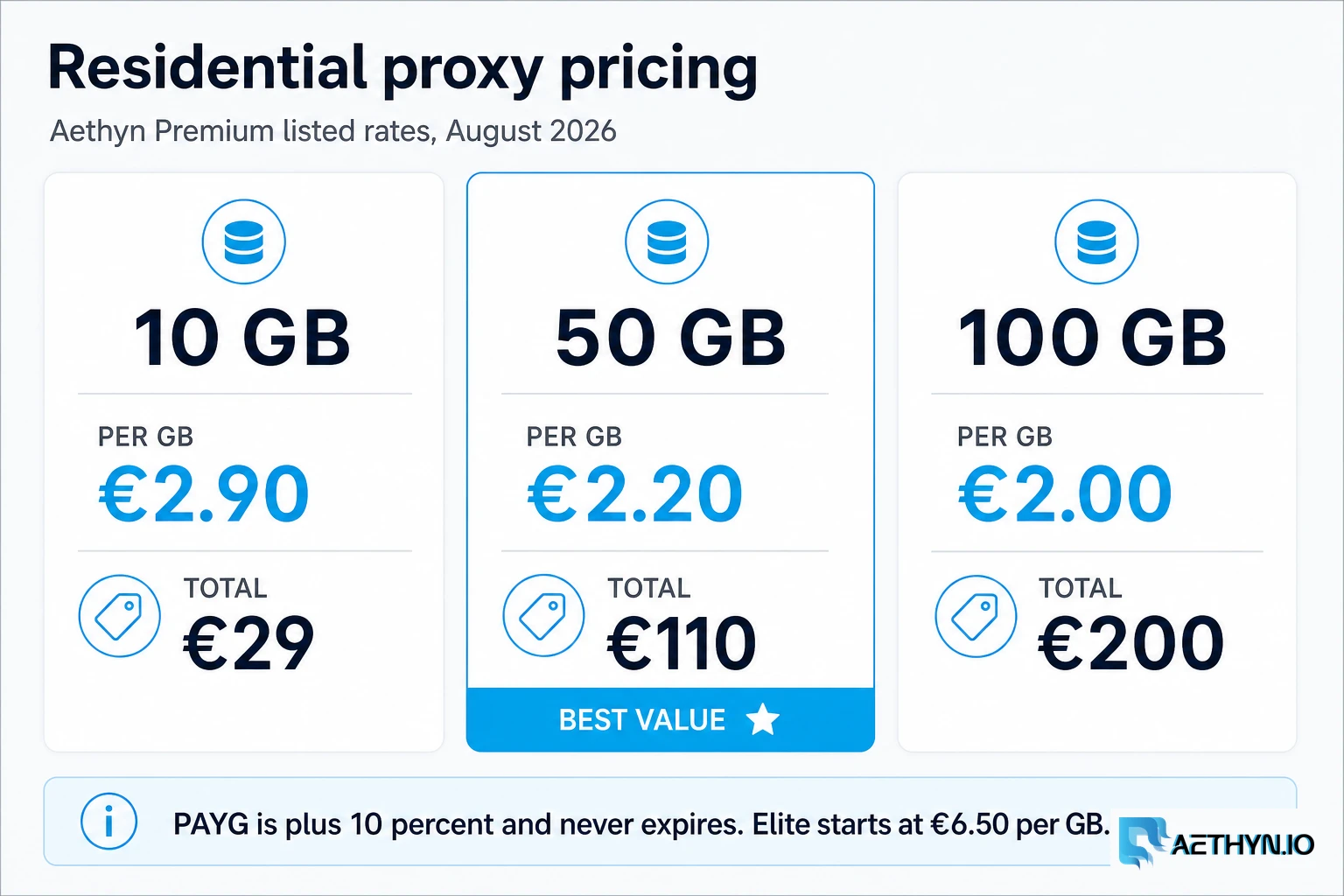
Residential Proxy Pricing in 2026: What You Actually Pay per GB
Residential proxy pricing is the published euros or dollars you pay per gigabyte of household-ISP traffic. Here is a dated 10 / 50 / 100 GB sticker table — then why sticker is not the bill.