

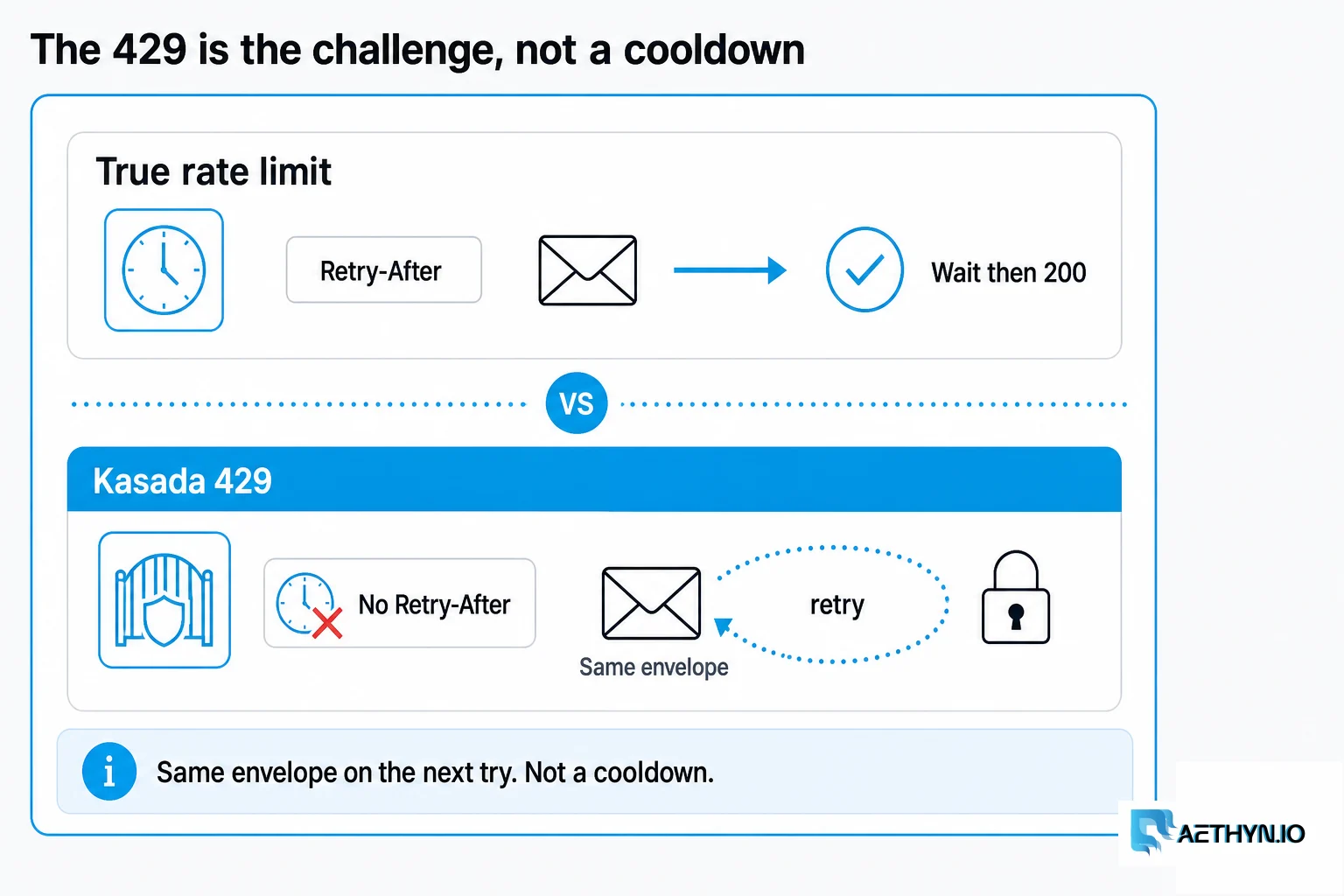
Most scrapers treat HTTP 429 Too Many Requests as a patience problem: cut concurrency, sleep longer, buy more proxies. Against Kasada, that reflex is expensive. On many HTML routes the challenge is the 429 — tiny bootstrap HTML, no Retry-After, and the same envelope on the next attempt. You are not being throttled into success. You are failing an integrity gate.
Deep playbook: Kasada 429 is a challenge — not rate limiting.
[!IMPORTANT] Live notes dated 2026-08-09 across multiple deployments. Cookie names, protected routes, and whether the unverified state is 429 or 403 vary by customer. Re-verify before you hard-code assumptions.
Why 429 is uniquely expensive here
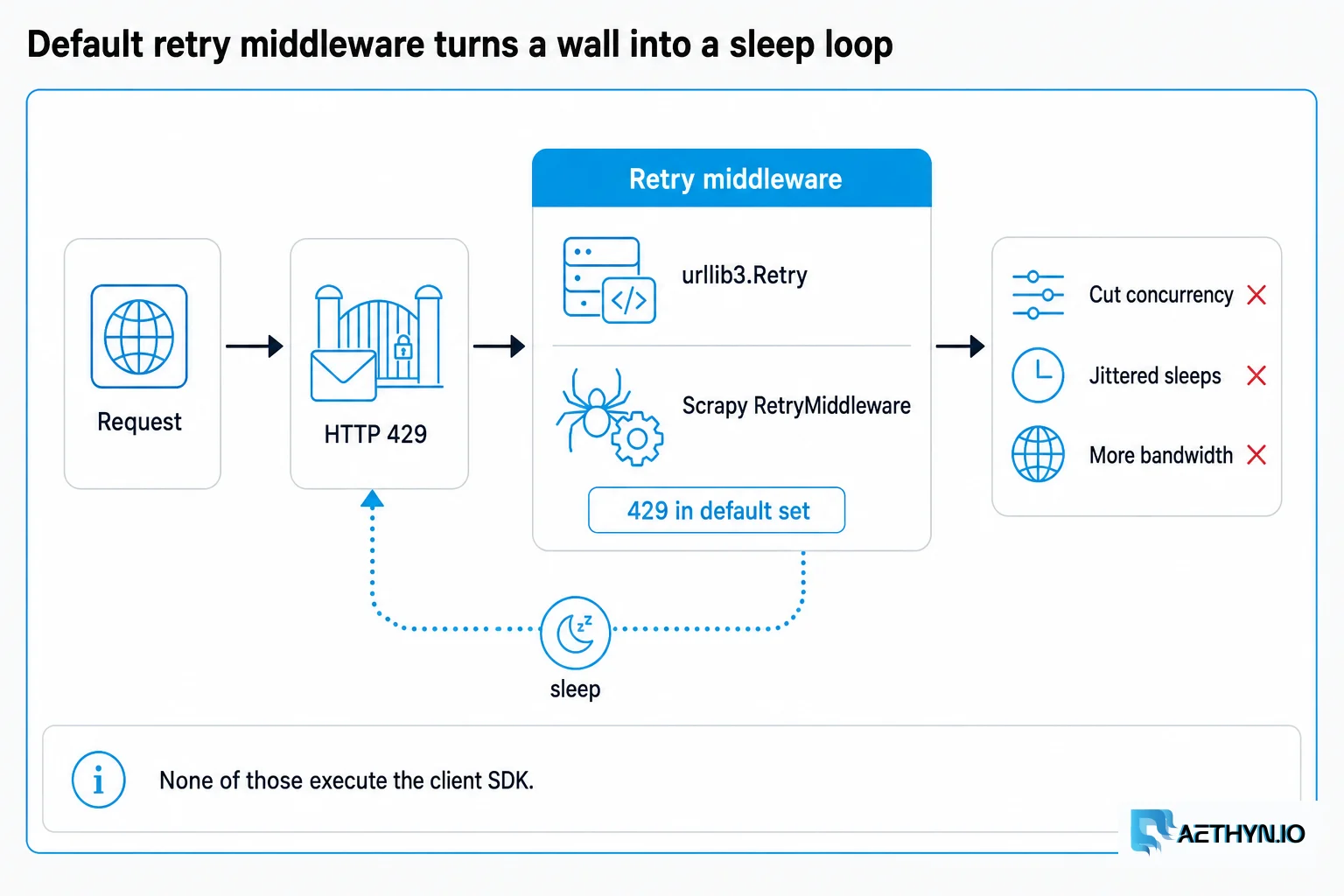
Almost every HTTP stack — urllib3.Retry, httpx transports, Scrapy RetryMiddleware, many vendor SDKs — puts 429 in the default retryable set. That convention is correct for token-bucket APIs. Against Kasada it converts a cryptographic/capability failure into an infinite sleep loop. Operators then “fix rate limits” by:
- Cutting concurrency from 20 → 2
- Adding jittered sleeps that grow without bound
- Purchasing more residential bandwidth to “spread load”
None of those actions execute the client SDK. All of them increase time-to-signal and cost. The dashboard still says throttled because that is how the status code is labelled in every runbook written before Kasada inverted the meaning.
What the misdiagnosis looks like
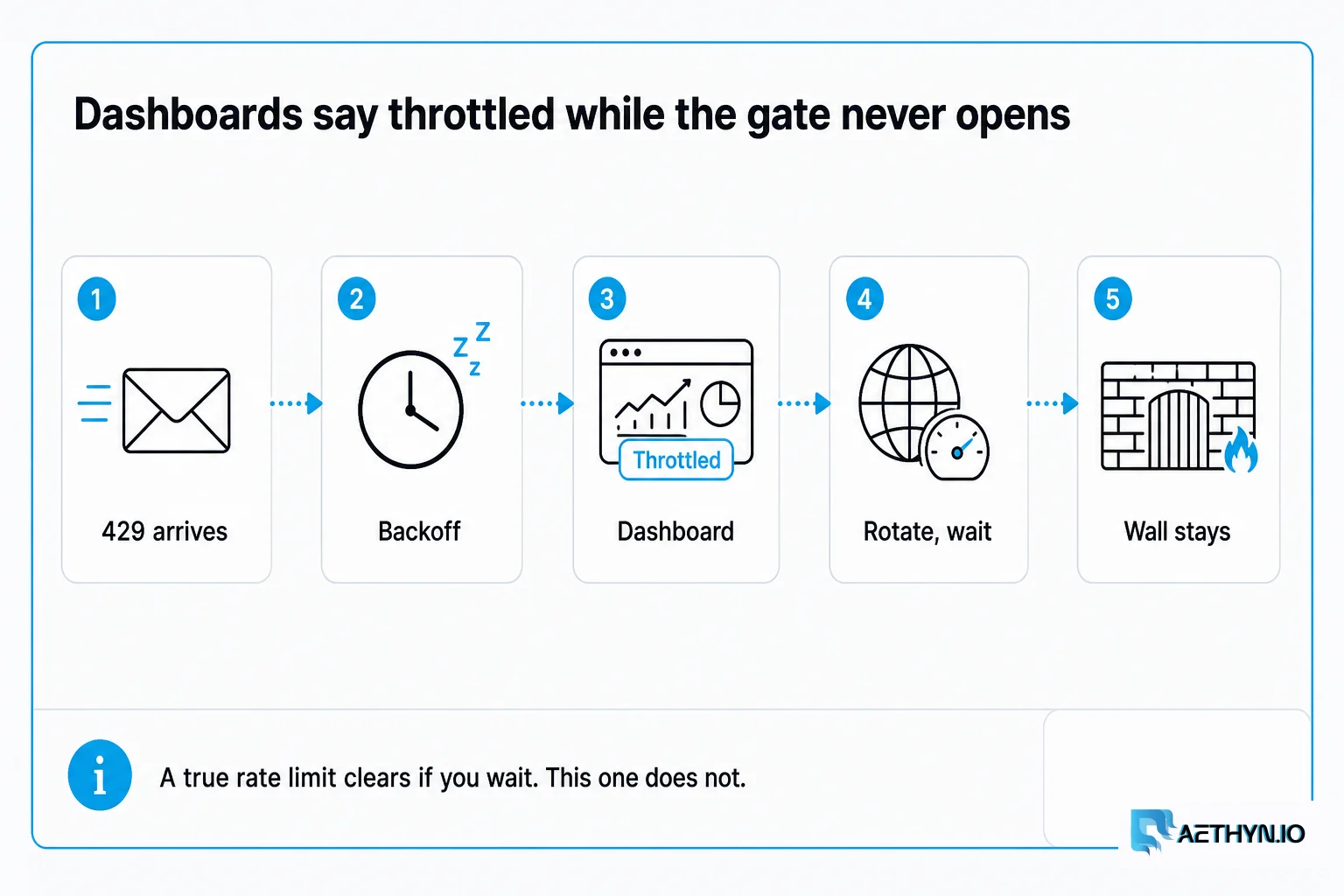
- Client receives 429 (or a bare 403 on an API path)
- Retry middleware backs off exponentially
- Dashboards say “throttled”
- Operators add residential rotation and go slower
- Bandwidth burns; the wall never opens
A true rate limit typically varies, often advertises Retry-After, and clears if you wait. Observed Kasada challenges on interstitial routes stayed deterministic across immediate retries with no Retry-After.
Identification that survives branding tricks
| Marker | Role |
|---|---|
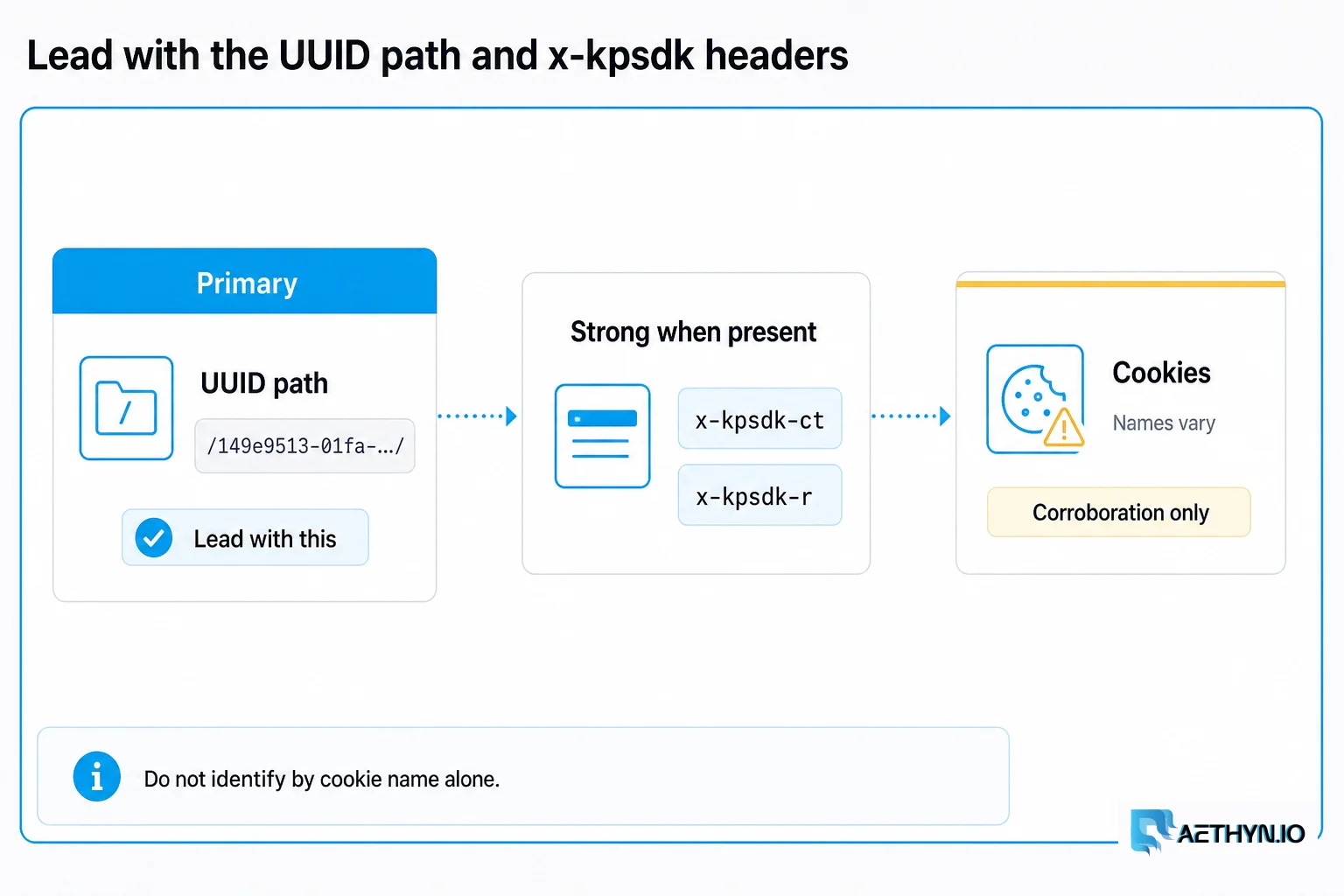
Path /149e9513-01fa-4fb0-aad4-566afd725d1b/… | Primary — hard-coded UUID prefix on customer origin |
window.KPSDK bootstrap in HTML | Challenge document tell |
x-kpsdk-ct, x-kpsdk-r, etc. | Strong when present |
access-control-expose-headers listing x-kpsdk-* | Strong when present — not universal on every document |
Cookie + -ssn twin with same value as x-kpsdk-ct | Structural corroboration; names vary |
Do not identify by cookie name alone — ak_bmsc_fl_com looks like Akamai’s ak_bmsc. Do not claim the vendor never names itself: some deployments emit headers such as x-kasada-response-headers. Zero-branding is true of many interstitial documents, not every hop.
Negative control: a 403/429 with no x-kpsdk-*, no KPSDK, and no UUID path is probably the CDN/WAF in front (or another vendor) — not Kasada. Probe high-value routes (/api, checkout), not only the homepage — Kasada is often per-route. Vercel BotID Deep Analysis is powered by Kasada; application-authored JSON rejects may carry no Kasada markers at all — another reason the hub matrix matters.
On a clean HTML document, also look for document.addEventListener('kpsdk-load', …) / KPSDK.configure([…]) — that enumerates which path patterns the deployment protects even when the homepage itself is not challenged.
Practical rule for scrapers
Treat 429 as retryable only when Kasada markers are absent. When markers are present, fail closed as an integrity error and stop the RetryMiddleware dance.
Also assert content: parsers that ignore status will run selectors against the bootstrap document and write null rows at full speed. Do not treat a universal “600–700 byte body = Kasada” constant as reliable — interstitial sizes vary, API routes may return content-length: 0, and polymorphic assets change every fetch. Calibrate a per-route minimum length yourself.
Code Snippetdef is_kasada_response(resp) -> bool:
    h = {k.lower(): v for k, v in resp.headers.items()}
    if any(k.startswith("x-kpsdk-") for k in h):
        return True
    if "x-kpsdk-" in (h.get("access-control-expose-headers") or "").lower():
        return True
    body = resp.text or ""
    return "149e9513-01fa-4fb0-aad4-566afd725d1b" in body or "window.KPSDK" in body
Where residential proxies fit
| Layer | Proxy effect |
|---|---|
| Datacenter ASN / velocity / geo | Residential can help |
| JS interrogation / polymorphic payload | Proxy cannot execute the SDK |
| TLS / HTTP fingerprint alone | Needs browser-grade client |
Use Aethyn Elite HTTP 5499 (SOCKS5 3499) when reputation is implicated after classification; Premium HTTP 2099 / SOCKS5 1099 for volume diagnostics. Sticky -session-…-lifetime-N only after a browser-backed flow can clear the gate. Honest bottom line: Kasada is among the vendors where “buy more IPs” is least sufficient without a real browser engine.
Geo mismatch after adding a proxy (exit country vs browser locale) is a common self-inflicted failure — diagnose it; do not treat this page as an evasion checklist.
Decision tree (one screen)
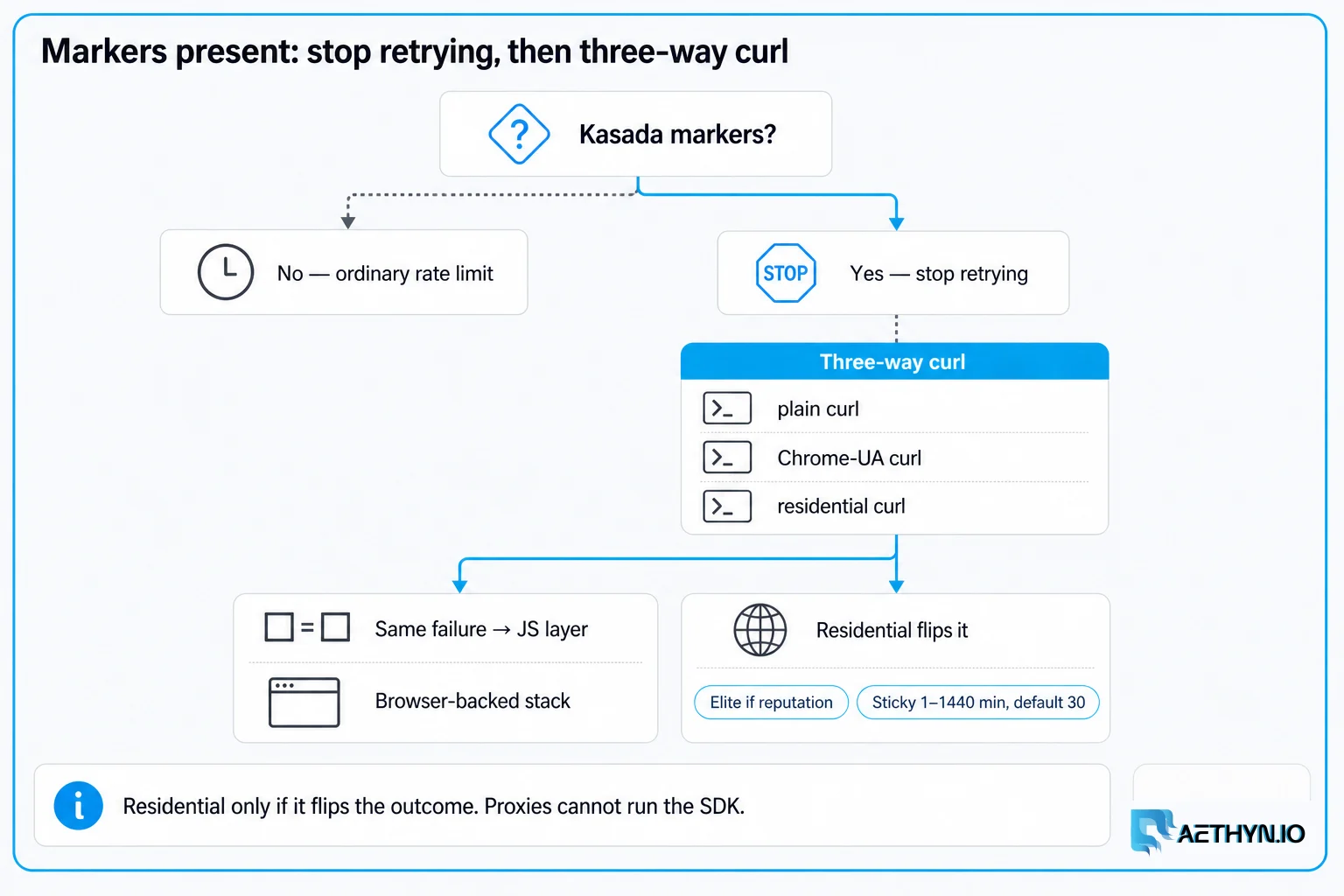
- Does the response carry Kasada markers (UUID path /
x-kpsdk-*/window.KPSDK)?- No → treat as ordinary rate limit or another vendor; 403/429 playbook may apply.
- Yes → stop retrying; go to step 2.
- Is the failure identical on plain curl, Chrome-UA curl, and residential curl?
- Yes → client/JS layer; plan a browser-backed stack.
- No, residential flips it → keep Elite/Premium rotation or sticky sessions; re-measure.
- Is only
/apichallenged while/is clean?- Yes → scope protection correctly; do not declare the site “unprotected.”
If the data is available through a documented API or licensed feed, that remains the correct engineering answer — proxies are for lawful public-web collection, not for inventing access.
Related error funnels
Continue with route-scoped diagnostics and remediation order: Kasada 429 not rate limiting.
Common questions about this article
Is a Kasada 429 the same as HTTP rate limiting?
Does Kasada always return 429?
What is the most reliable Kasada identifier?
Can I identify Kasada by the KP_UIDz cookie?
Guides, integrations & docs
Continue reading
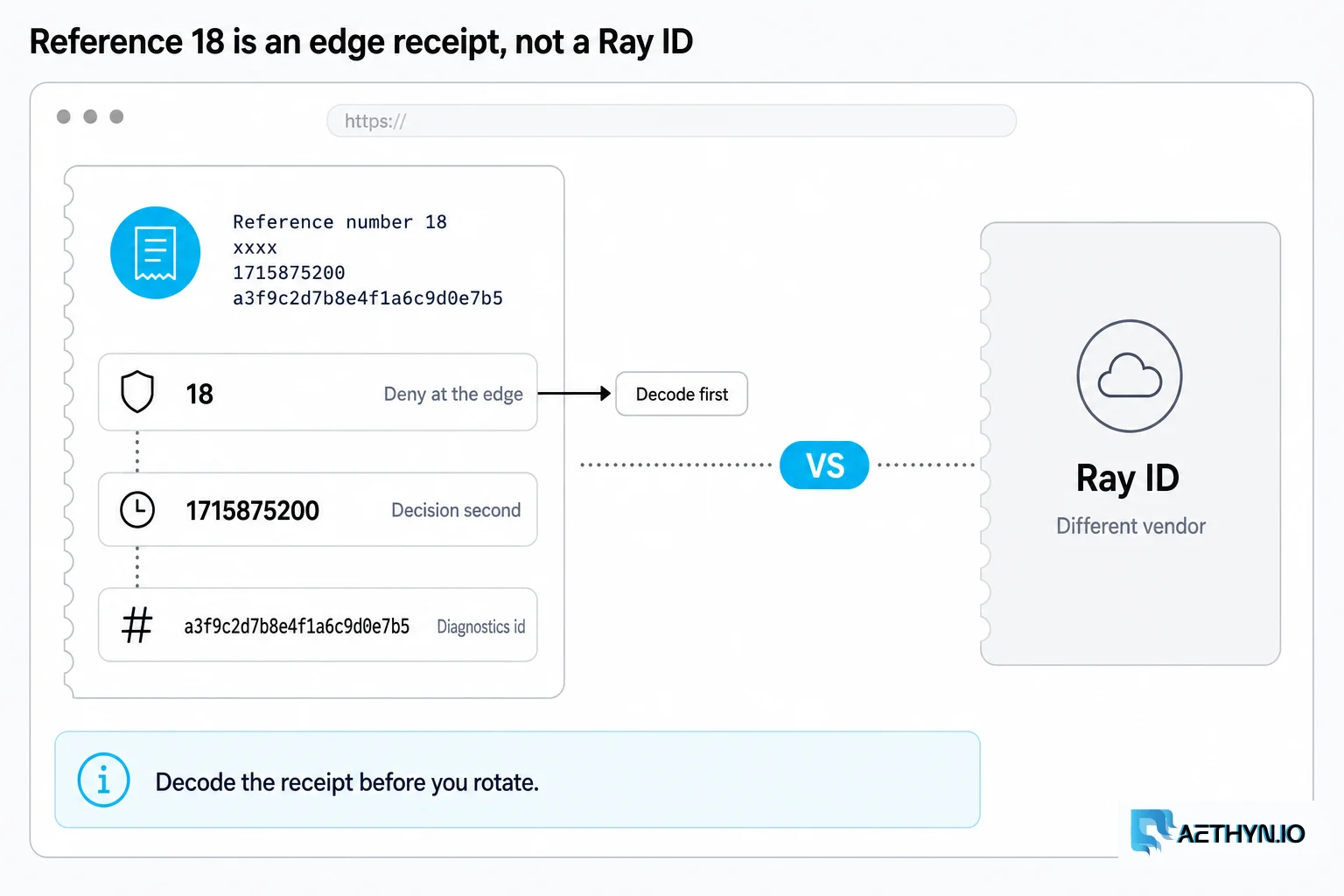
What Is Akamai Reference #18 Access Denied? (Scraping Guide)
Reference #18 means Akamai edge Access Denied — not a random Ray ID. Decode the receipt, separate #9 malformations from bot decisions, and know when residential proxies help.
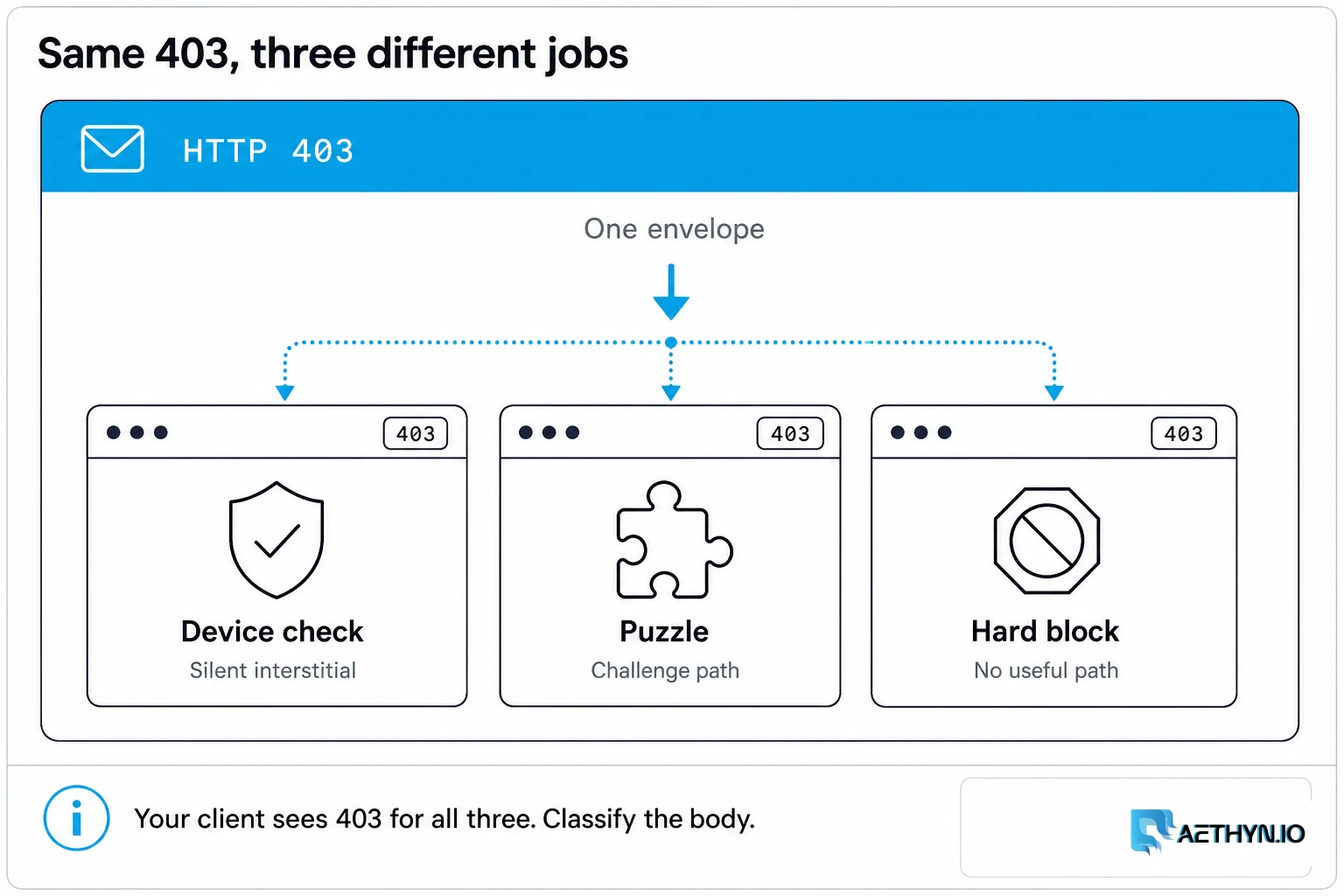
DataDome 403: Same Status, Different Outcomes (Scraping)
DataDome returns HTTP 403 for device check, CAPTCHA, and ban. Learn x-datadome: protected, the datadome cookie, and how to classify bodies before rotating proxies.
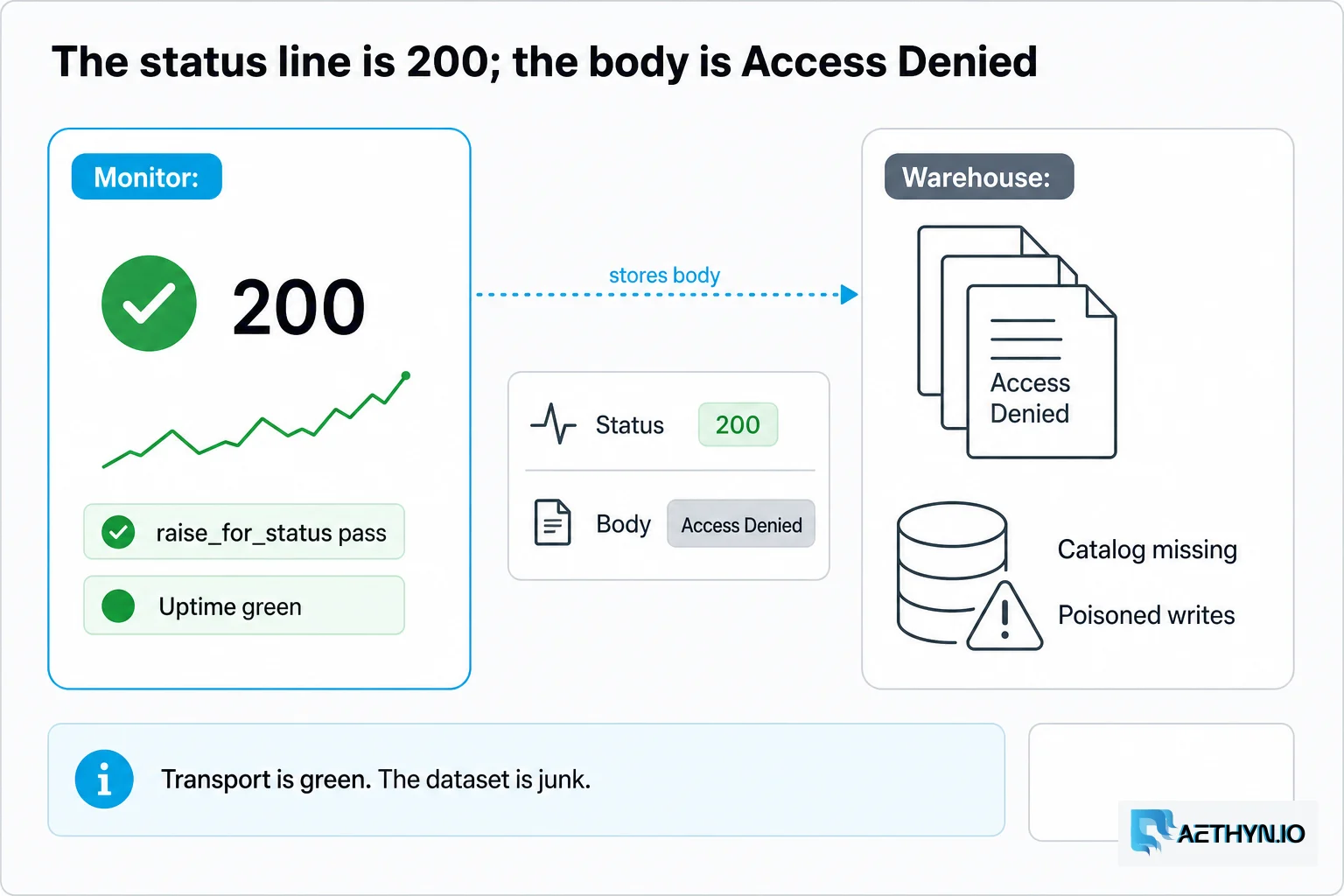
HTTP 200 Access Denied: Soft Blocks That Poison Scrapers
Status 200 can still be Access Denied or an AkamaiNetStorage unavailable page. Build title and content asserts so soft blocks stop looking like successful scrapes.
Confirm Kasada before you slow down
Once x-kpsdk-* or the UUID path is present, stop Retry-After folklore. Use Elite residential only after classification says IP is the lever — then pair with a real browser stack.