

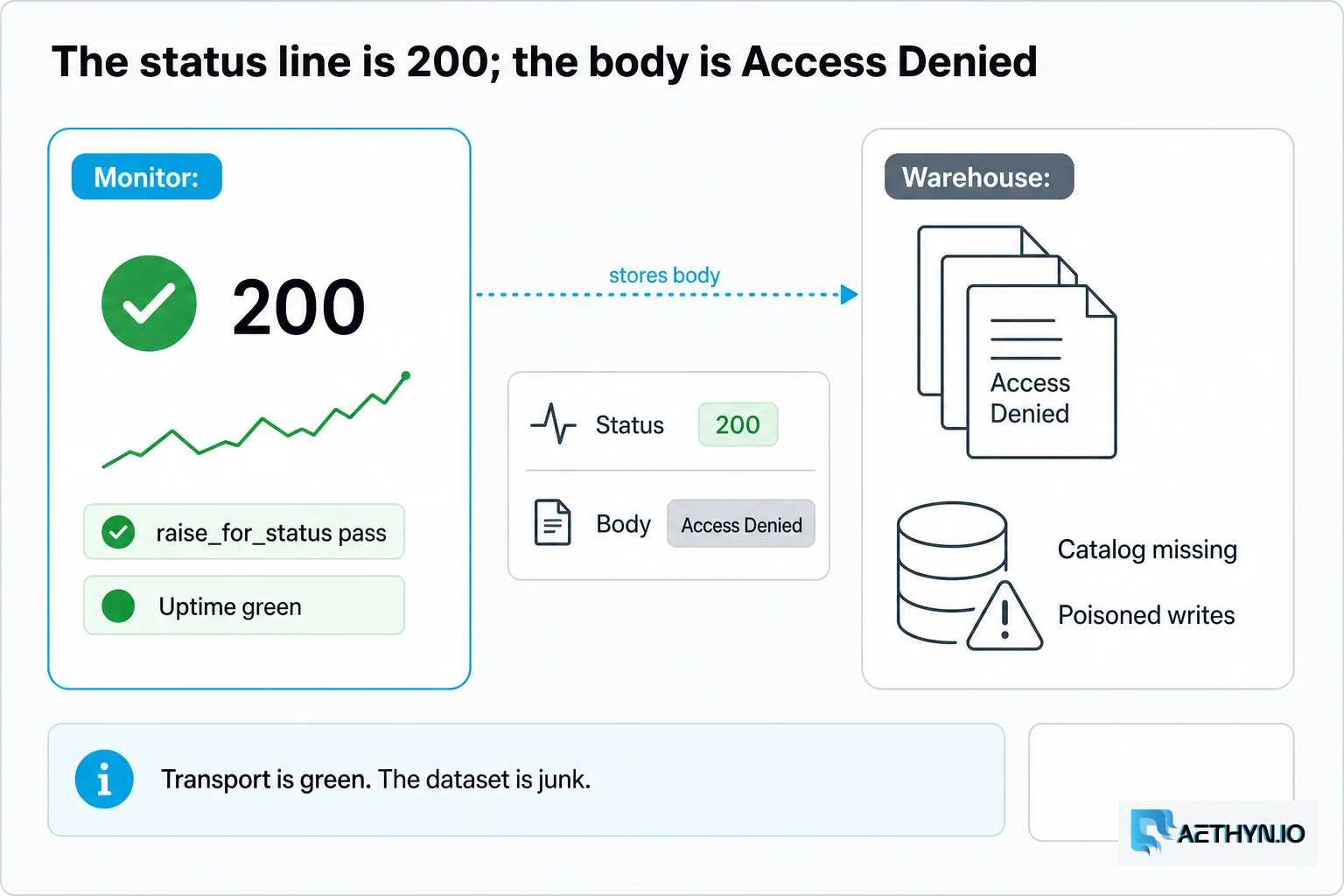
Your monitor is green. The status line says 200. The body says Access Denied — or “page unavailable” under Server: AkamaiNetStorage. Soft blocks are the quiet failure mode of modern scraping: they never trip raise_for_status(), they fill warehouses with junk, and they make “success rate” dashboards look healthy while the business data is gone.
Playbook with validators: HTTP 200 but the body is a block page.
Why edges serve soft denies
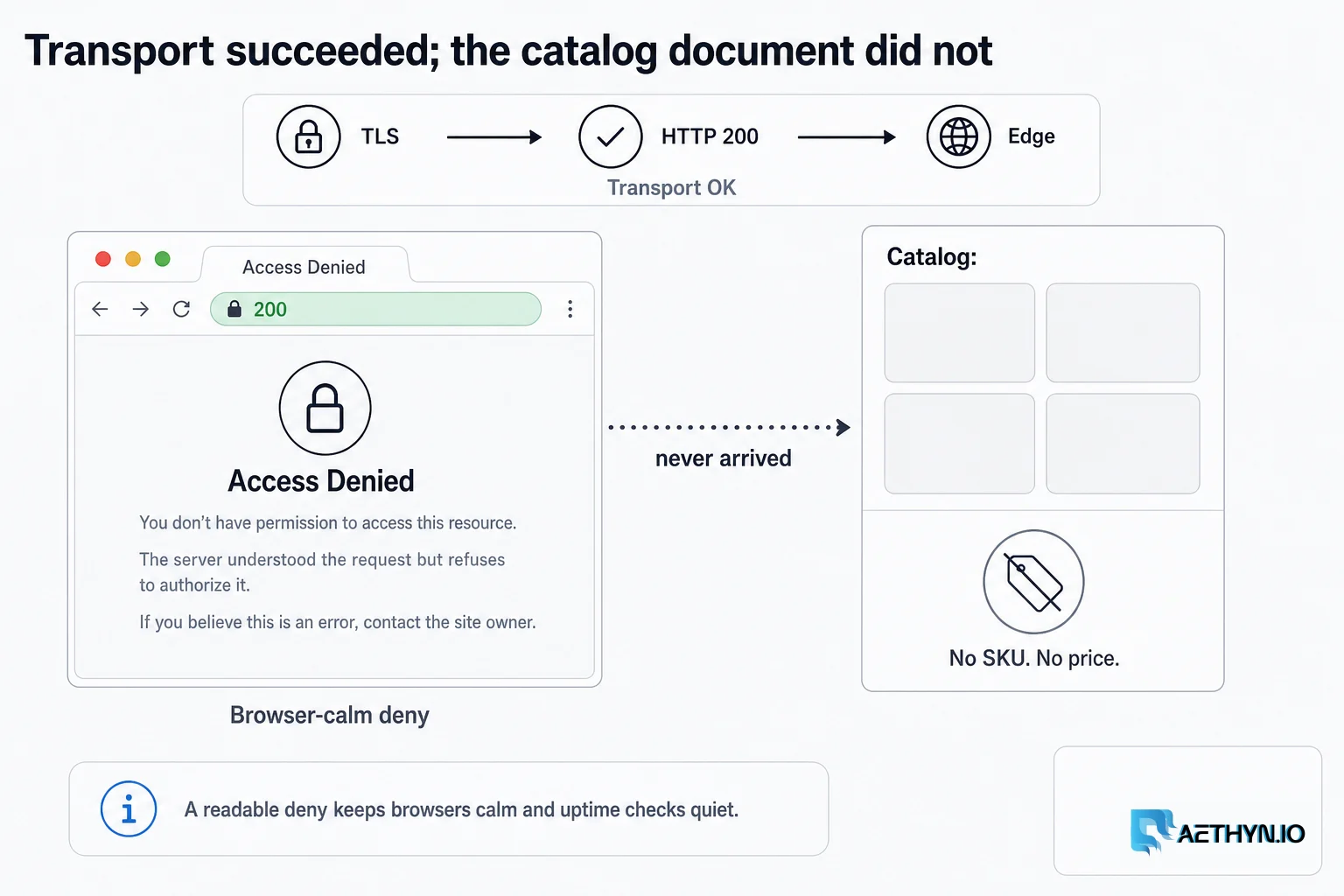
A readable deny document with a healthy status keeps browsers calm and dumb uptime checks quiet. Akamai-shaped properties may serve Access Denied HTML or NetStorage block assets without flipping the status line. Your framework reports success because transport succeeded, not because the catalog document arrived.
Related silence problem: Playwright did not tell you it was blocked.
What breaks in production pipelines
Soft blocks fail differently depending on where you look:
| Layer | What you see |
|---|---|
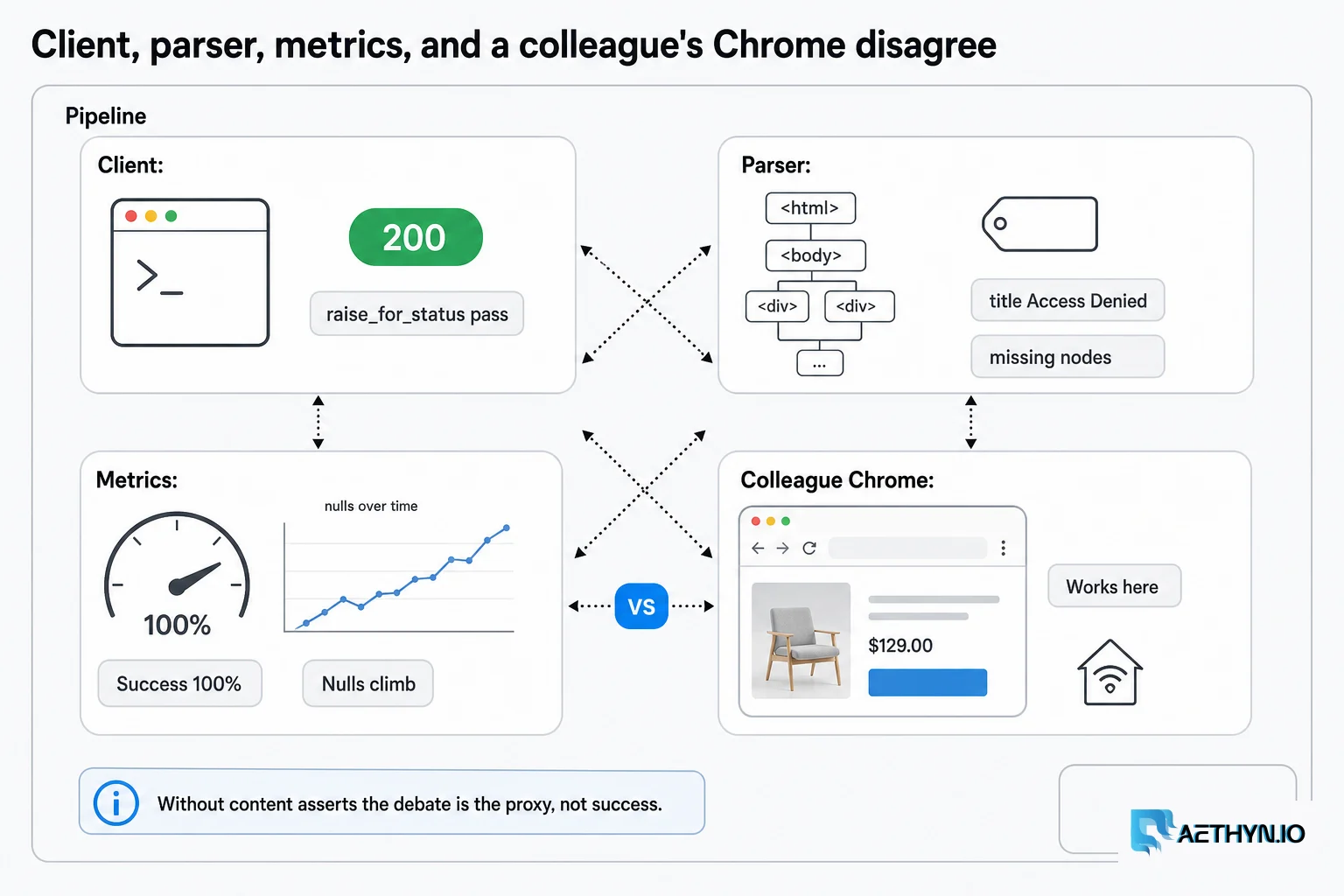
| HTTP client | status_code == 200, raise_for_status() passes |
| HTML parser | Missing price nodes; empty result lists; odd titles |
| Metrics | “Success rate” near 100%; downstream null rates climb |
| Humans | Spot-check in a browser “works fine” (different client stack) |
The last row is especially cruel: a colleague opens Chrome on a residential ISP and sees the real page, while your Python job stores Access Denied shells from a library TLS fingerprint. Without content asserts, the debate becomes “is the proxy bad?” when the real question is “did we define success?”
Verified shapes (re-check live)
Dated 2026-08-09 probes (edges change — re-run before tickets):
| Observation | Tells |
|---|---|
| lowes.com | HTTP 200 + Access Denied document title + entity-encoded Reference material |
| autotrader.com | HTTP 200 + Server: AkamaiNetStorage + title like page unavailable + /akamai-block/ assets |
Same class as hard Reference #18 denials — different status cosmetics.
Grep trap: 'Reference #' in resp.text can be False until html.unescape().
Minimum content gate
Code Snippetimport html, re

DENY_TITLE = re.compile(
    r"access denied|page unavailable|just a moment|attention required",
    re.I,
)

def content_ok(status: int, body: str, min_len: int = 2500) -> bool:
    if status != 200:
        return False
    text = html.unescape(body or "")
    if len(text) < min_len:
        return False
    m = re.search(r"<tit" + r"le[^>]*>(.*?)</tit" + r"le>", text, re.I | re.S)
    title = (m.group(1) if m else "").strip()
    if DENY_TITLE.search(title):
        return False
    if "/akamai-block/" in text.lower() or "px-captcha" in text.lower():
        return False
    return True
Calibrate min_len per URL class. A 200 that fails the gate is a soft block, full stop — count it as failure in cost-per-success math.
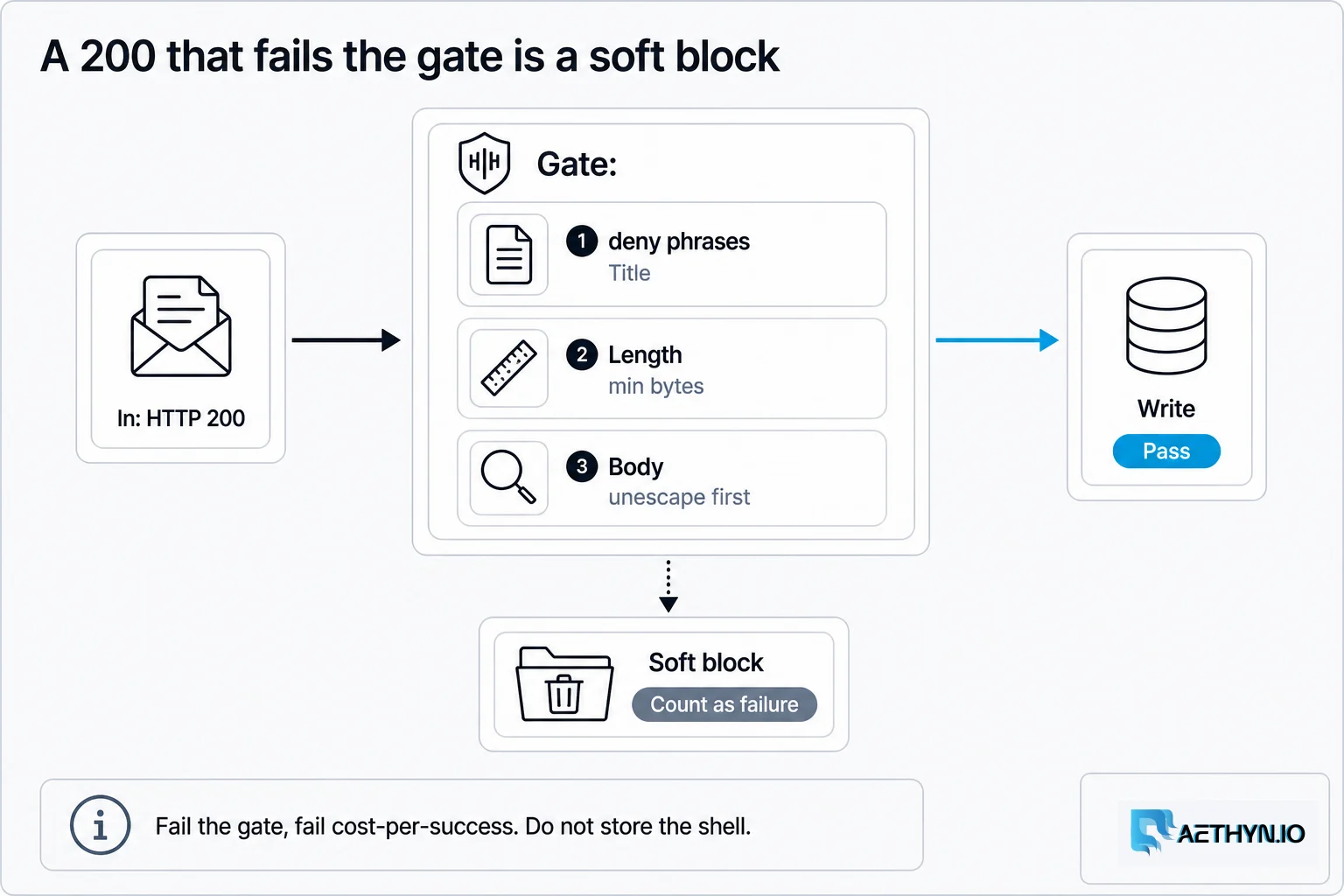
Also log a structured tuple on every accepted write: status, Server, title, body length, and a 300-byte prefix. Soft blocks announce themselves in that tuple long before your JSON schema notices missing keys.
Fingerprint soft blocks vs reputation soft blocks
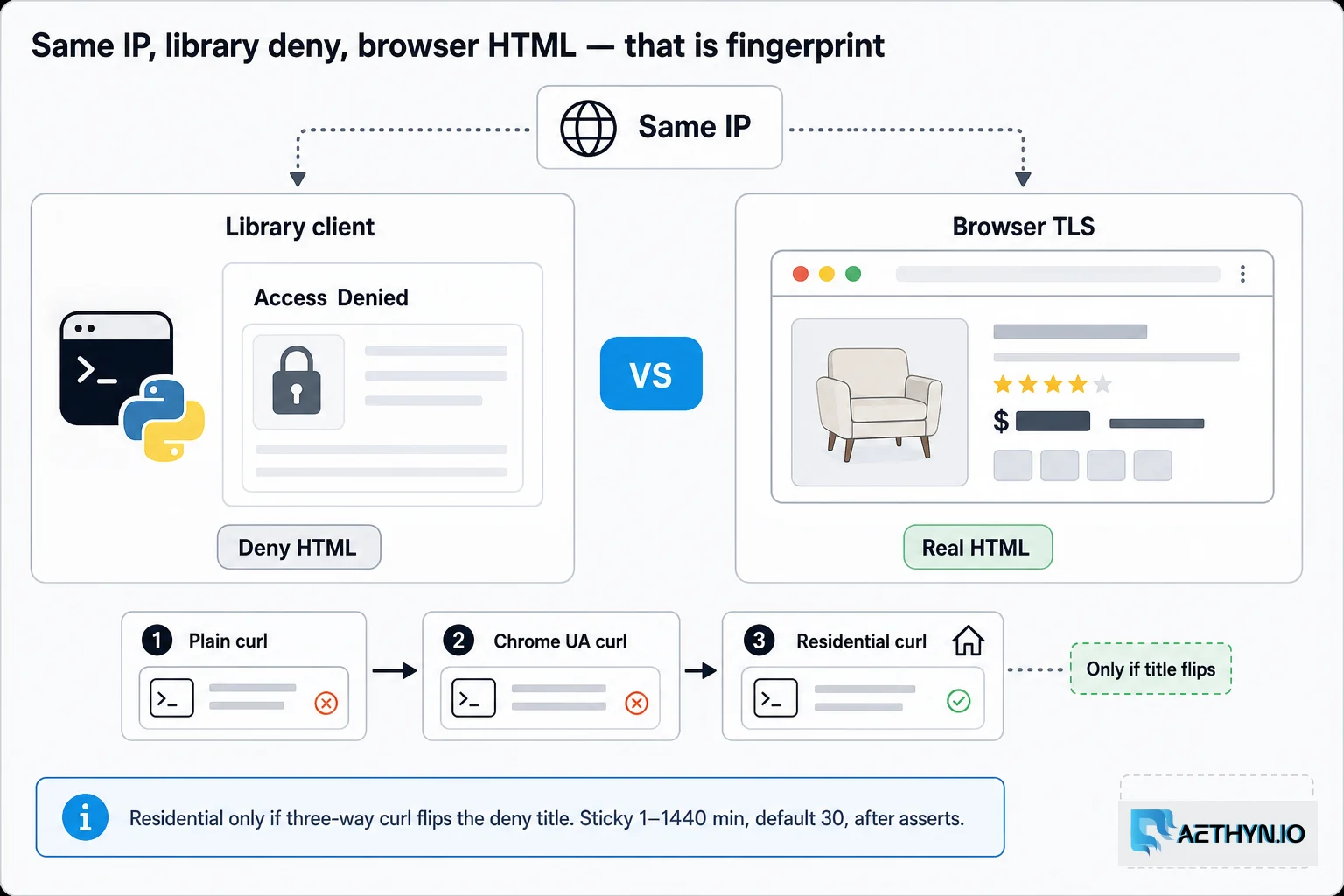
The lowes.com-shaped pattern (same machine, same IP: library client gets Access Denied HTML on 200; browser-grade TLS gets real HTML) is a fingerprint lesson. Rotating residential exits would not have changed the library outcome. Conversely, if only residential curl flips a deny title to a real catalog while plain and UA curls stay denied, the IP layer is implicated — keep Premium or Elite in the path and re-run asserts.
Avoid relying on unverifiable “success rates” from marketing pages. Measure content-verified accepts on your own basket.
Three-way probe: is IP the lever?
- Plain curl — log status, Server, title, length
- Chrome User-Agent curl
- Same through residential
Aethyn Premium HTTP proxy.aethyn.io:2099 (SOCKS5 1099) or Elite HTTP 5499 / SOCKS5 3499:
Code SnippetPX='http://aethyn-XXXXX-country-us:PASSWORD@proxy.aethyn.io:2099'
UA='Mozilla/5.0 (Windows NT 10.0; Win64; x64) AppleWebKit/537.36 (KHTML, like Gecko) Chrome/128.0.0.0 Safari/537.36'
curl -sS -o /tmp/b3 -w "res %{http_code}\n" -x "$PX" -A "$UA" "https://TARGET/"
| Result | Meaning |
|---|---|
| Soft shell only on direct egress | Reputation/geo — keep residential |
| Identical Access Denied on all three | Fingerprint or always-on template — fix client |
| requests soft-deny, curl_cffi real HTML, same IP | Fingerprint — rotation would not have helped |
What not to do
- Alert only on non-2xx
- Store every 200 HTML blob
- Rotate Elite exits against an identical soft shell
- Skip
Server: AkamaiNetStorageas a tell - Grep for
Reference #withouthtml.unescape - Treat a colleague’s browser screenshot as proof your library client is fine
After asserts fail, classify the vendor with Identify which anti-bot blocked you, then remediate once. Soft shells often sit next to hard Reference #18 denials on the same property — different status cosmetics, same edge family.
Full assert recipes and dated examples: HTTP 200 but the body is a block page.
Common questions about this article
Can HTTP 200 mean my scraper is blocked?
What public examples show 200 block bodies?
Why does raise_for_status() pass on a block page?
Will a residential proxy fix a 200 Access Denied body?
Guides, integrations & docs
Continue reading
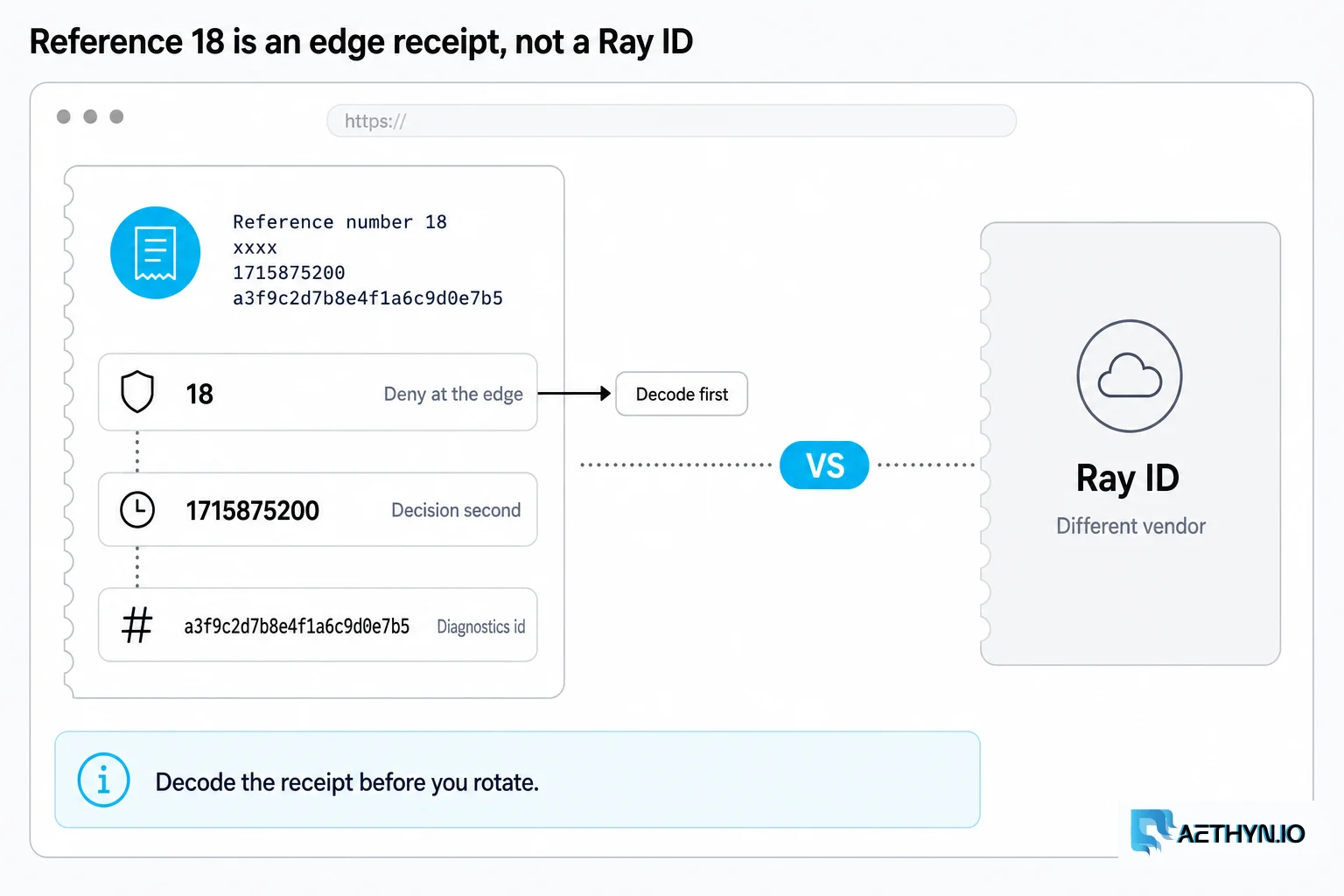
What Is Akamai Reference #18 Access Denied? (Scraping Guide)
Reference #18 means Akamai edge Access Denied — not a random Ray ID. Decode the receipt, separate #9 malformations from bot decisions, and know when residential proxies help.
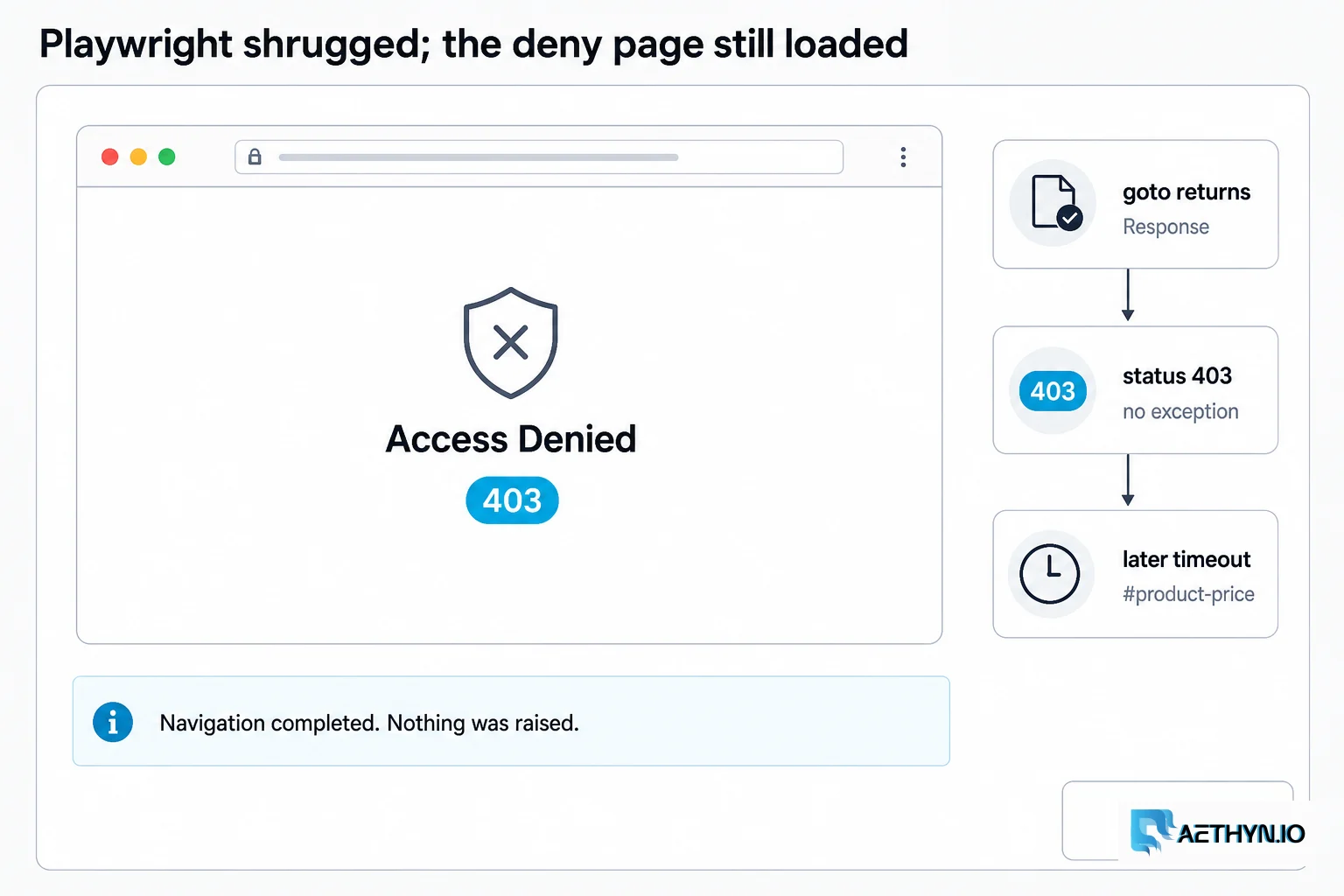
Playwright Silent 403: Your Scraper Was Blocked Quietly
Playwright page.goto returns status 403 and raises nothing; Selenium is quieter still. Build an explicit classify step so anti-bot pages stop looking like missing selectors.
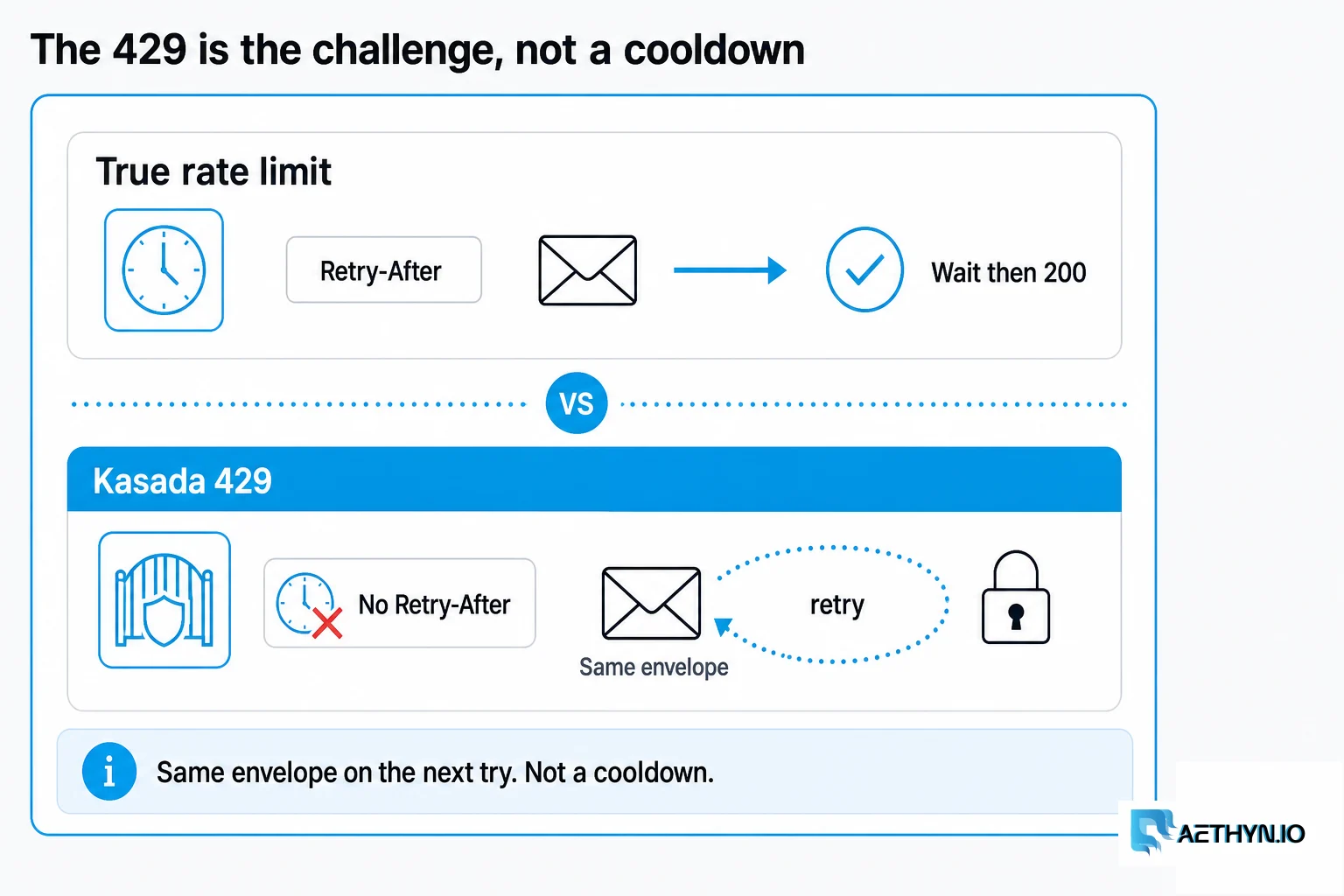
Kasada 429 vs Rate Limit: Stop the Misdiagnosis
Kasada often challenges unverified clients with HTTP 429 (or 403 on API routes) — not a cooldown. Learn x-kpsdk-* tells, the UUID script path, and why backoff burns bandwidth.
Assert content, then test the IP layer
Reject deny titles before storage. A/B Premium 2099 vs Elite 5499 only after your validator fails closed on soft shells.